Our Service

Installation

Air Conditioning and Heating Specialists

Worry free with

certified HVAC service

A well-planned HVAC installation begins with a comprehensive assessment of the building’s layout, usage patterns, and environmental conditions to ensure optimal system performance. The process involves detailed heat load calculations, evaluation of ventilation requirements, and careful selection of appropriate equipment such as VRV systems, ducting, and air handling units. Proper system design is crucial to achieve energy efficiency, uniform air distribution, and long-term reliability


⚙️ Our Installation Approach

1. Site Assessment & Requirement Analysis
We evaluate building layout, usage patterns, and environmental conditions to define system requirements.

2. Heat Load Calculation & System Design
Accurate calculations and engineering inputs ensure the right system capacity and energy efficiency.

3. Equipment Selection
Selection of suitable systems such as VRV, AHU, ducting, and ventilation components based on application.

4. Installation & Execution
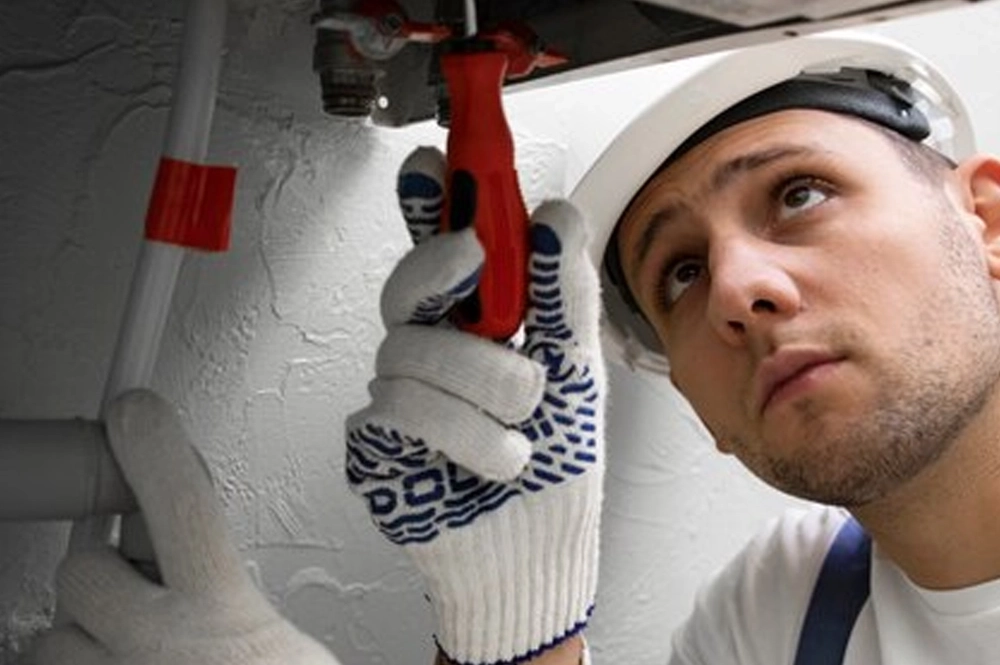
Precise installation of piping, ductwork, insulation, and electrical systems following industry standards.

5. Testing & Commissioning
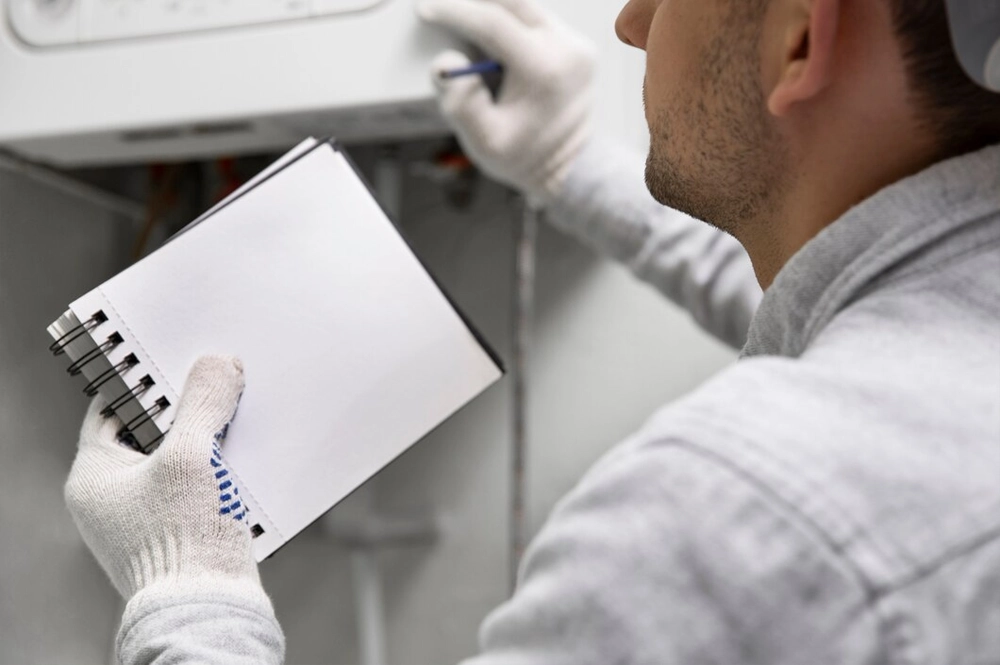
Complete system testing to ensure performance, airflow balance, and operational efficiency.
❄️ VRV System Installation 

VRV (Variable Refrigerant Volume) system installation requires precise design and execution to ensure flexibility, energy efficiency, and consistent cooling across multiple zones.

🔹 Key Focus Areas
  • Accurate refrigerant piping design and routing
  • Proper indoor-outdoor unit integration
  • Intelligent zoning and control system setup
  • Energy-efficient configuration and optimization
  • Thorough testing for pressure, leakage, and performance

👉 Result:
Scalable, energy-efficient cooling solution ideal for offices, hotels, and commercial spaces.


🌬️ AHU & Ventilation Installation 


Air Handling Unit (AHU) installation plays a critical role in maintaining air quality, ventilation, and temperature control in large commercial and industrial spaces.

🔹 Key Focus Areas
  • Proper duct design and airflow distribution
  • Installation of filters, coils, and ventilation systems
  • Noise control and insulation standards
  • Integration with centralized HVAC systems
  • Air balancing and performance testing

👉 Result:
Consistent airflow, improved indoor air quality, and reliable temperature control.
